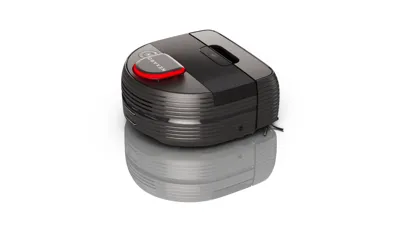
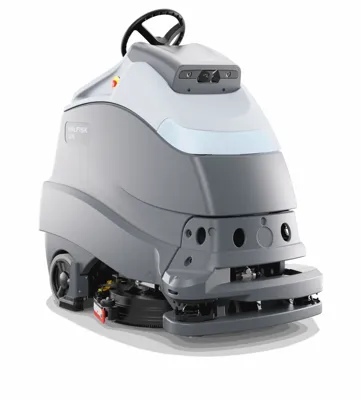
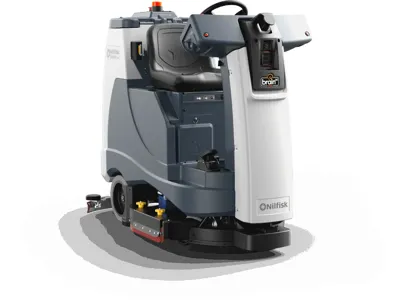
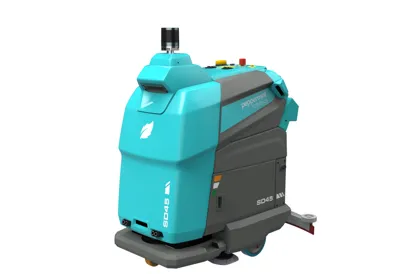
What is the difference between an autonomous sweeper and a so-called "autonomous" forklift sweeper?
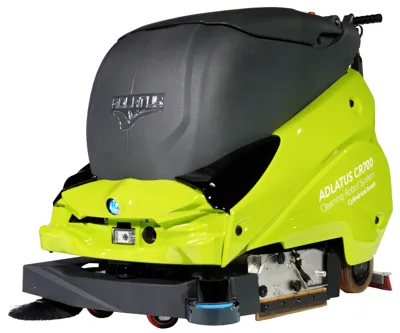
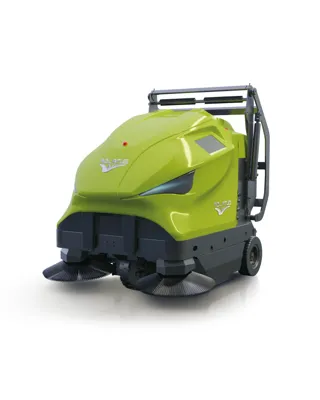
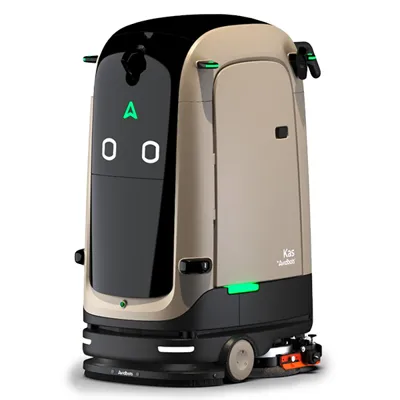
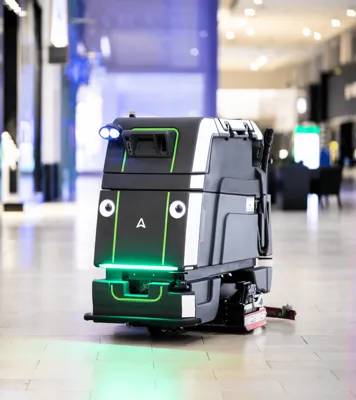
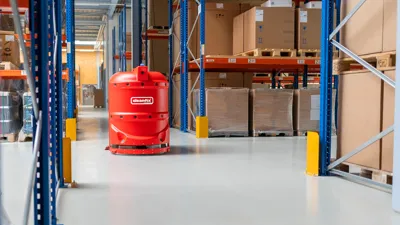
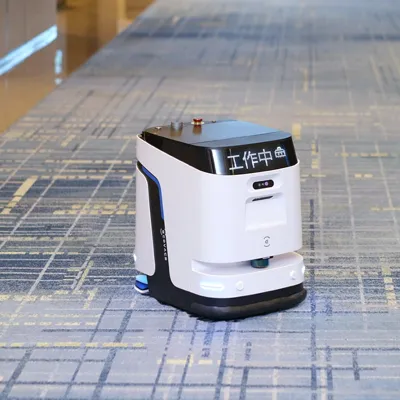
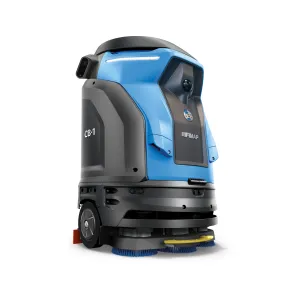
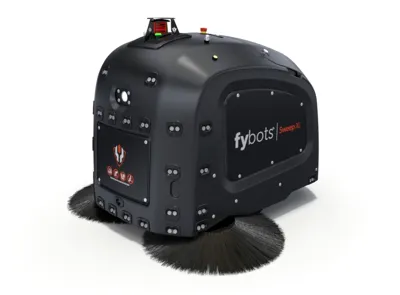
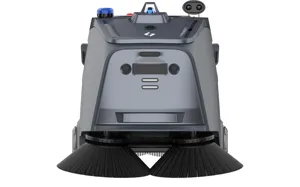
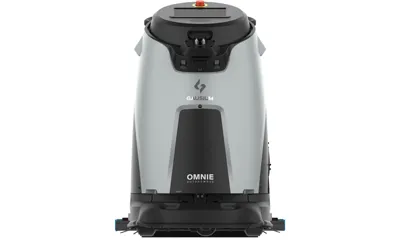
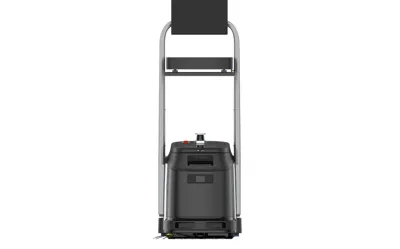
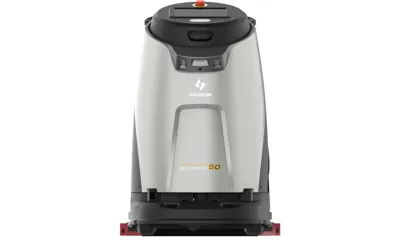
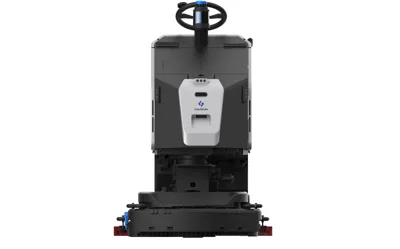
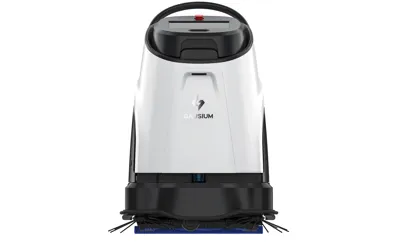
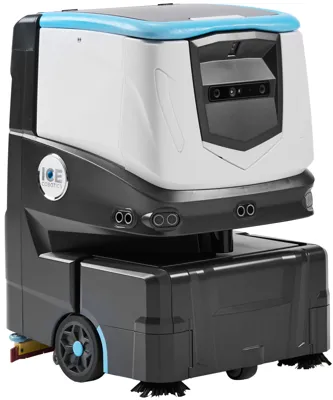
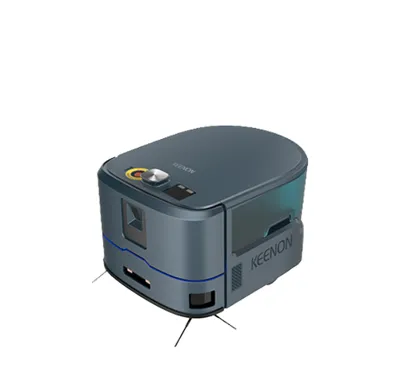
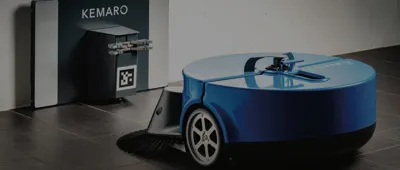
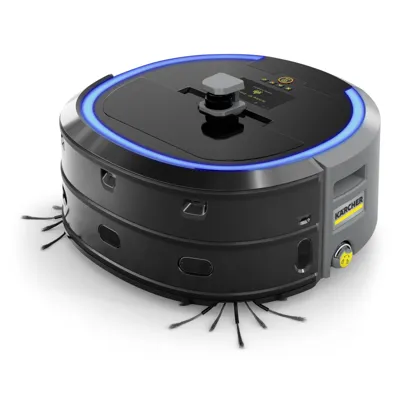
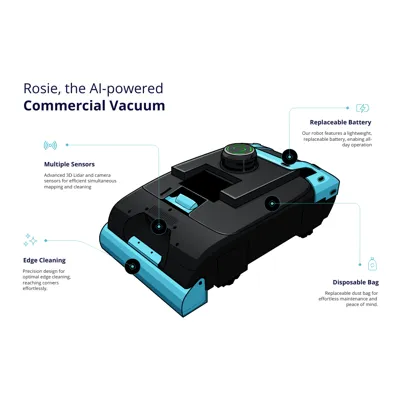
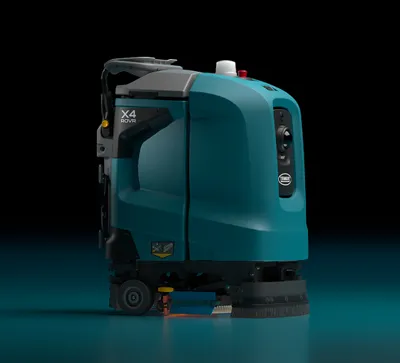
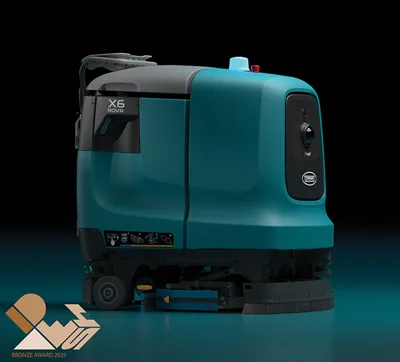
The autonomous sweeper this page describes is a robot: it navigates on its own using LIDAR and cameras, follows programmed routes and returns to its docking station. Forklift sweeper attachments are called "autonomous" because they work without a hydraulic or electrical connection, but they are driven entirely by a forklift operator.
Sweeper or scrubber-dryer: which one for a warehouse?
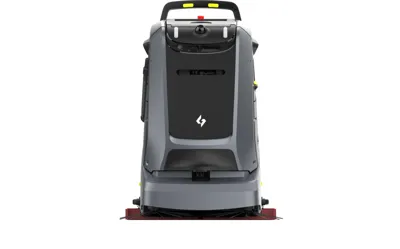
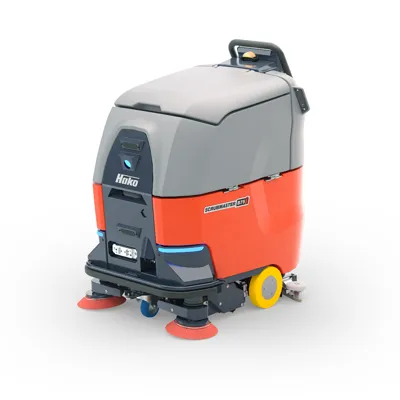
They deal with different kinds of soil. The sweeper picks up dry debris, dust and pallet residue. The scrubber-dryer handles stuck-on soil and marks with water and a squeegee. Many sites combine daily sweeping with scrubbing at a suitable frequency, and some robots do both in a single pass.
What is a vacuum sweeper?
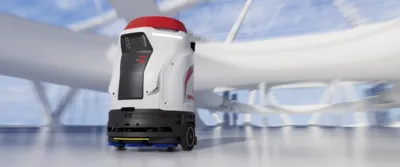
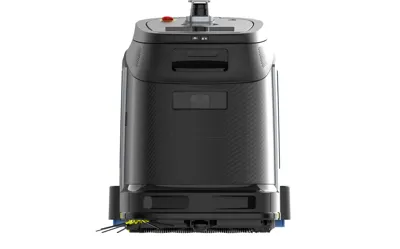
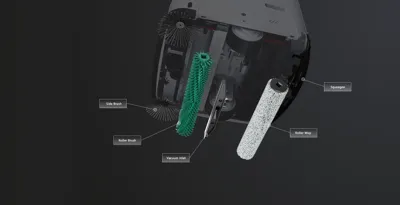
A machine that combines brush sweeping with filtered suction in the same pass. The brushes draw the debris towards the hopper while the suction captures fine dust, which stops it being thrown back into the air. The PUDU MT1 Vac is built on this principle.
What throughput can you expect from a sweeping robot?
Our compact industrial sweepers cover 1,800 m²/h in standard mode, and the large format reaches 2,200 m²/h. Targeted cleaning modes, which prioritise the dirty zones the robot detects, advertise higher figures depending on the manufacturer. Correct sizing is done on your actual floor areas, during the on-site demonstration.
How is the sweeper's hopper emptied?
The collection hopper, 35 litres on our compact industrial models, is emptied by hand. How often depends on how dirty the site is: it is one of the points we settle during the first weeks of deployment, along with the route plan.
What is the difference between an autonomous sweeper and an autonomous floor scrubber?
The sweeper collects dust and debris dry, into a hopper; the scrubber-dryer scrubs with water and dries. On an industrial or logistics floor, the sweeper goes first and often, the scrubber-dryer afterwards and less often; the two are combined in the same route plan.
How often does the hopper of an autonomous sweeper need emptying?
On a heavily soiled floor (cardboard, film, concrete dust), a 35 L hopper fills in one to three hours, which means three to eight emptyings over a night; on a clean floor, a whole shift. The auto-empty stations Pudu announced for its MT1 and MT1 Max in September 2026 remove this constraint.
Does an autonomous sweeper work outdoors?
In semi-outdoor areas for protected models (IP54 or higher, threshold crossing, water detection): covered car parks, loading docks, canopies; not on public roads. Compact indoor models tolerate neither rain nor grit.