
Commercial floor scrubbers: walk-behind, ride-on or autonomous robot?
21 July 2026 · 9 min read
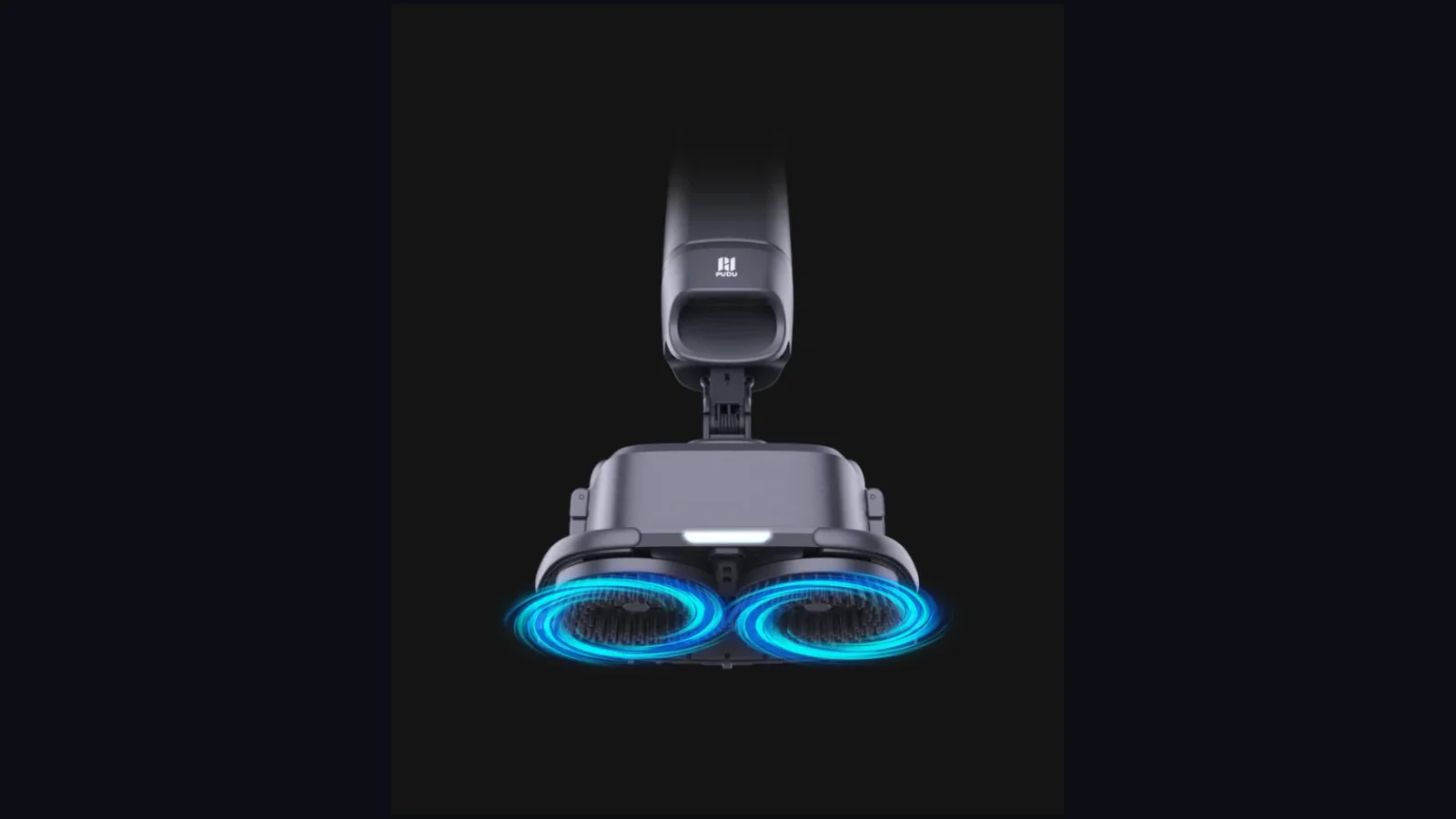
"Scrubber-dryer" covers three very different things: a machine an operative pushes, a machine supplied as a service without any robot, and an autonomous robot. Here is how to work out which one you actually need, before you compare a single model.
"Scrubber-dryer" is a word that covers very different realities. A search on the term can lead just as easily to a small machine pushed by hand as to a robot that scrubs on its own, at night, with nobody on site. Before comparing models, you first need to know which of the three categories your requirement falls into.
Walk-behind or ride-on scrubber-dryers
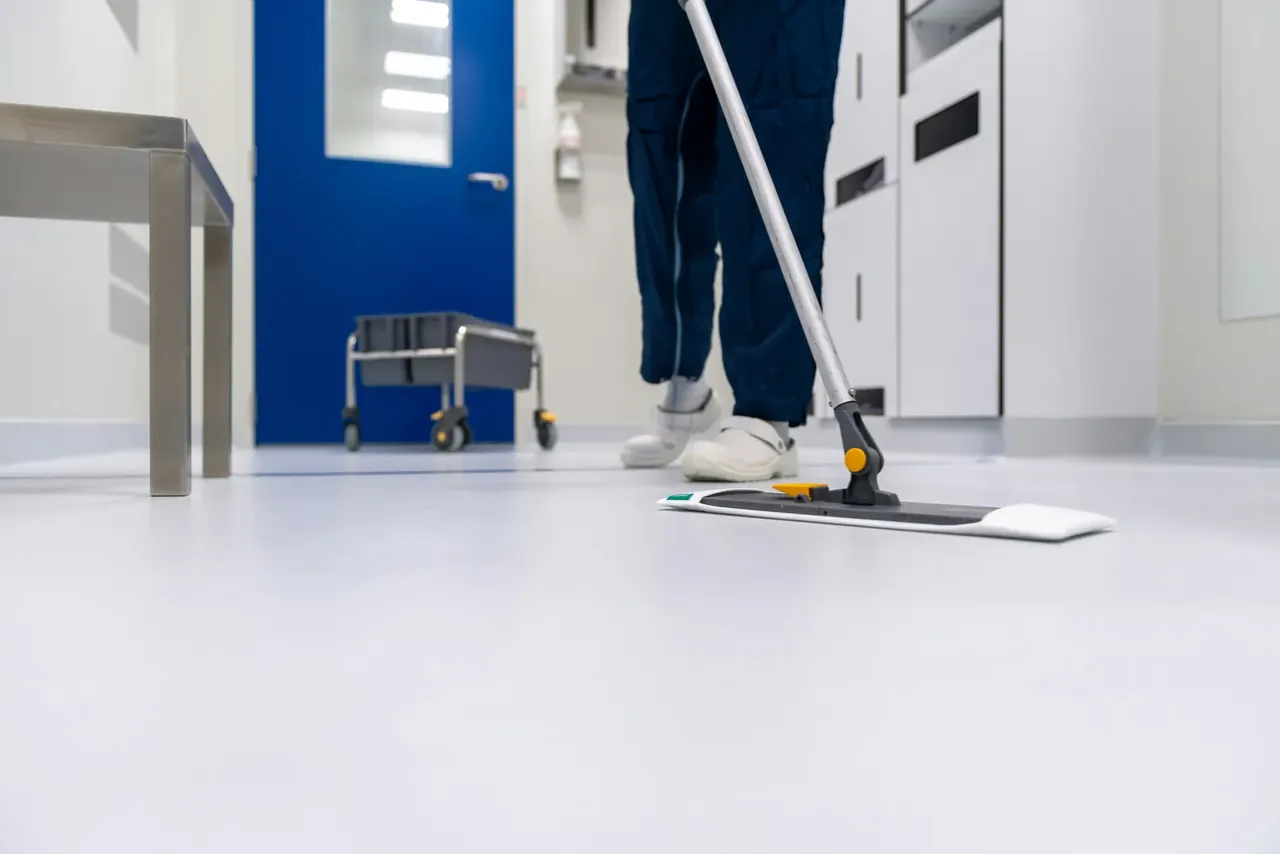
This is the picture most people have in mind: a machine that is pushed or driven, scrubbing the floor while an operative steers it. Bought outright or hired for a set period, it suits occasional use or a small organisation that handles its own cleaning. It is not what we do at Easy to Clean, and it is worth saying plainly: if your requirement stops at a one-off machine with no service around it, a conventional cleaning equipment supplier will answer that particular need better than we will.
If your requirement really does fall into this category, there is a middle path between buying new and short-term hire: refurbished equipment. A machine that has been overhauled, tested and warranted covers occasional use without tying up the budget a new machine would need, and it extends the life of equipment that has already been built. That is the logic pursued by industrial reuse specialists such as Smart Reuse, who refurbish and resell professional equipment. One word of caution: this is still a purchase of equipment. Maintenance, consumables and replacement remain your responsibility, which is what separates this option from a scrubber-dryer supplied as a service.
A scrubber-dryer as a service, without a robot
Between the hand-guided machine and the autonomous robot sits a third, less familiar option: a scrubber-dryer supplied and maintained under a service contract, but still steered by an operative. That is the role of the SH1 at Easy to Clean: a cordless upright scrubber-dryer with 27 kg of brush pressure and 20,000 Pa of suction, which washes and dries in a single movement, leaving no waiting time and no slippery patch behind the operative. It is aimed at small and medium-sized areas, at catering, retail, hotels and healthcare, anywhere an autonomous robot would be oversized but where you still want equipment that is supplied, serviced and replaced without you having to think about it.
The autonomous robotic scrubber
This is the core of what we do: a robot that maps the site by itself, navigates without floor markers and scrubs with no operative at the handlebars. The CC1 covers compact formats and busy environments (offices, hotels, healthcare, retail), while the BG1 is aimed at large areas that need continuous sweeping and scrubbing. What this changes in practice for your team is set out on our How it works page, and the technical detail is in our complete guide to robotic cleaning.
How to decide
Four questions are enough to point you in the right direction. How large is the area? Below a few hundred square metres, the SH1 on a service contract is often enough; above that, an autonomous robot starts to make sense. How often do you clean? An occasional wash does not justify a robot; a daily or several-times-a-day wash does. How much of your team's time is free? The less staff you have available to steer a machine, the more autonomy weighs in the balance. What is the layout? Wide clear aisles and cramped corners do not call for the same robot, as our CC1 or BG1 comparison sets out.
The right way to settle it
These criteria point you in a direction, but they do not replace an on-site demonstration: that is what confirms the exact model, robot or SH1, against your real layout. Our guide to choosing a commercial cleaning robot sets out the full grid, and the free demonstration carries no obligation.
The same principle runs through the Easy To group
This preference for a service over the sale of equipment is not specific to floor cleaning: it is the founding principle of the Easy To group, already applied to cigarette butt collection with Easy to Change and to food waste management with Easy to Compost: take on a hard, repetitive task and run it end to end, rather than sell one more piece of equipment for someone else to manage.
Frequently asked questions
What is the difference between a hand-guided scrubber-dryer and a robotic one?
What is a scrubber-dryer supplied as a service, such as the SH1?
From what floor area does a robotic scrubber become worthwhile?
Should you invest in a scrubber-dryer or take it as a service?
A question about your own site?
Write to us and we will reply within one working day. If you want to go further, the demonstration takes place on your premises, free of charge.