
Buffing and spray buffing: how to keep floors glossy without stripping them, with the high-speed burnisher, and the method sheet to download
9 September 2026 · 6 min read
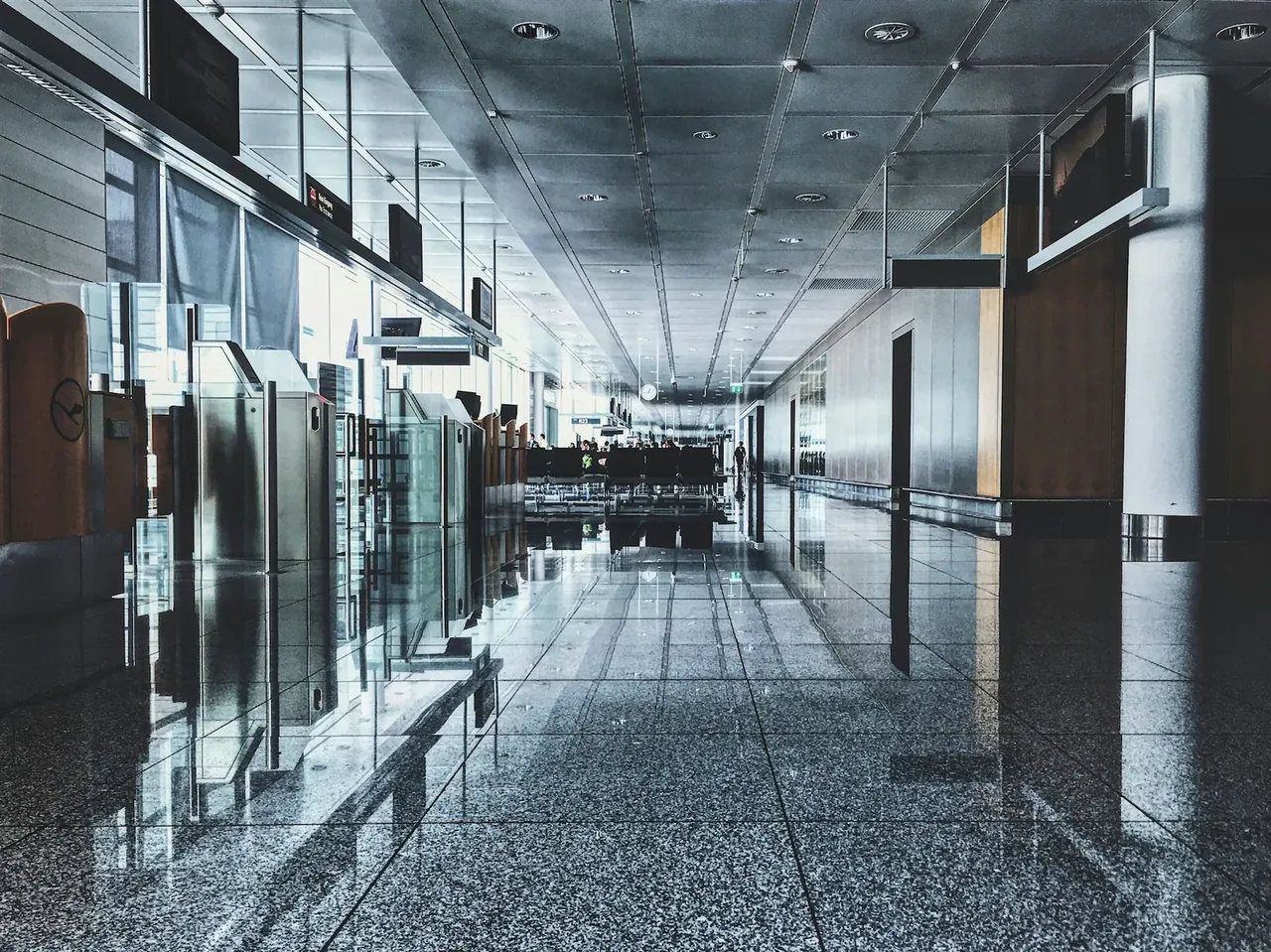
An entrance hall that gleams on the day of the deep restoration and turns dull six weeks later was not badly sealed: it was never buffed. Buffing and spray buffing are the two techniques that maintain the gloss and the protection of a floor between two restorations and, done properly, push the next stripping back by a year or two. They rest on the same machine, the high-speed burnisher, and on one simple idea: close up the fine scratches in the film or the stone by friction, with or without a product, rather than adding more coats. This article explains what the two techniques are for, which floors they suit and on which they are forbidden, the equipment, the method step by step, the frequencies, the mistakes that dull a floor instead of making it shine, and what a robotic scrubber can and cannot do in this routine. The method sheet can be downloaded as a PDF.
What buffing and spray buffing are for
A floor protected by a polish, or stone that has been crystallised, shines because its surface is smooth: light reflects off it instead of scattering. Every footfall, every grain of grit under a sole, every trolley wheel cuts fine scratches that scatter the light; the floor turns dull without being dirty. Buffing closes those scratches by high-speed friction: the heat of the pad softens the surface of the film or the stone very slightly and smooths it again. Spray buffing adds a restorer, sprayed on as a fine mist, which fills the scratches, feeds the film and hardens it under the pad; it repairs where buffing only smooths.
Both techniques have the same objective: extend the protection and put off the full restoration, stripping and resealing, which takes the room out of use and costs ten times more. A floor buffed weekly on its traffic routes and spray buffed every month lasts two years; the same floor, only mopped, needs stripping after six months.
Floors concerned, floors excluded
| Floor | Buffing | Spray buffing | Note |
|---|---|---|---|
| Vinyl and thermoplastics with polish | Yes | Yes | The main use case; spray product must be compatible with the polish |
| Sealed linoleum | Yes, moderate speed | Yes, product compatible with lino | Unsealed lino is not buffed |
| Marble, travertin, crystallised limestone | Yes | Stone-specific spray or a light crystalliser | Stone that has not been crystallised is not buffed: it is crystallised |
| Glossy poured floors (per the manufacturer) | See the data sheet | See the data sheet | Test in a corner |
| Porcelain stoneware, ceramic tile | No | No | Non-porous and with no film: nothing to buff; they are mopped |
| Resin, matt power-floated concrete | No | No | Unless the manufacturer specifies a glossy protection |
| Sealed or oiled wood | No | No | A lacquer is renovated, an oil is fed; never at high speed |
| Slip-resistant floors | No | No | Buffing destroys the slip resistance |
The equipment: burnisher, pads, product
The high-speed burnisher runs between 400 and 1,500 rpm (ultra high speed above 1,500, up to 2,000 rpm, battery or mains powered, for large areas); at those speeds it is fitted with a dust extraction skirt and a large-diameter pad. The pad decides the result: white for light dry buffing, beige or pink for buffing and spray buffing on polish, red for a more cleaning spray buff, and never a black, brown or green pad, which strip. On crystallised stone, use a white pad or a stone-specific pad. The spray product is a restorer for polish, diluted as stated on its data sheet and applied with a fine-jet sprayer; on stone, use a dedicated buffing product. To this add damp sweeping and flat mopping equipment, a dust cloth and, on large areas, a scrubber-dryer for the mopping beforehand.
The method step by step
- 1. Prepare the floor. Damp sweep, then flat mop or scrub with a neutral detergent; the floor must be clean and perfectly dry. Buffing a dirty floor grinds the soil into the film; buffing a damp floor leaves marks.
- 2. Cordon off the area and move light furniture out; check the pad (clean, correct type, properly centred) and the speed.
- 3. Spray buffing: spray the diluted product as a fine mist, over sections of 10 to 15 m², on the traffic routes and the dull patches, never in puddles; on a floor that is barely dull, buff dry with no product at all.
- 4. Buff. Slow, even passes in both directions, overlapping by a third, never stopping in one spot (a burnisher left standing at high speed burns the film); carry on until the gloss comes up and the surface is dry to the touch.
- 5. Check against the light: even gloss, no bloom, no swirl marks; go back over any dull areas.
- 6. Remove the dust by damp sweeping or with a cloth: buffing produces a fine dust from the film.
- 7. Change the pad as soon as it is loaded or glazed; a dirty pad dulls instead of polishing; wash the pads after use.
Frequencies, and how this fits with sealing
On the traffic routes of entrance halls, corridors and sales floors, dry buffing weekly and spray buffing monthly; in quieter areas, buffing monthly and spray buffing quarterly. When buffing no longer brings the gloss back on the traffic routes, the film is worn: a refresher coat of polish, on a clean dry floor and without stripping, buys another year; when the film has yellowed, is deeply scratched or is peeling, or after six to eight accumulated coats, a full restoration is needed, as described in our article on sealing with polish. On stone, buffing maintains the crystallisation between two treatments, every three to six months in busy entrance halls, as our article on crystallisation explains.
The mistakes that dull a floor instead of making it shine
- Buffing a dirty or damp floor: ground-in soil, marks, a grey film.
- The wrong pad or the wrong speed: an abrasive pad strips; a low speed does not buff; ultra high speed on lino or on a thin film burns it.
- Too much product: a tacky film, marks, a glazed pad; spray buffing is a mist, not a mopping round.
- Stopping in one spot: a circular burn in the film.
- Buffing stone that has not been crystallised, or an unsealed floor: no effect, or wear.
- Adding coats of polish instead of buffing: the film thickens, yellows and traps soil; buffing maintains, and polish is refreshed once a year at most.
- Buffing a slip-resistant floor: the slip resistance is lost and people fall.
The robotic scrubber and glossy floors
A robotic scrubber is not a high-speed burnisher: its brushes turn at a few hundred revolutions per minute and at light pressure, to scrub, not to buff. What it does do is exactly what extends a protection best: regular daily scrubbing, with a correctly dosed neutral detergent, over the whole area, leaving no abrasive soil in place from one day to the next. On the sealed floors we maintain, the arrangement is that of cobotics: the robot scrubs every day, the operative sweeps the edges, buffs the traffic routes every week with the burnisher and spray buffs every month, and the crew carries out a full restoration once a year or every two years. The autonomous floor scrubber page sets out the brush and pressure settings to ask for on a sealed floor, and our guide to floor cleaning techniques places buffing among the eight methods.
The buffing and spray buffing method sheet (PDF)
Free to use, no registration. Floors concerned and floors excluded, equipment (speeds and pads), the method in seven steps, frequencies, how this fits with sealing and crystallisation, and the mistakes to avoid, on a single page. Download (PDF, in French) → All our templates are gathered on the cleaning templates page.
Frequently asked questions
What is the difference between buffing and spray buffing?
What speed and what pad for buffing?
Can ceramic tile or porcelain stoneware be buffed?
How often should a floor be buffed?
Does buffing replace sealing?
Can a robotic scrubber buff a floor?
A question about your site?
Write to us and we will reply within one working day. If you want to go further, the demonstration takes place on your own floors, free of charge.