
Crystallisation of marble and limestone floors: what it is, when to do it, how, how often, and what ruins it
9 September 2026 · 6 min read
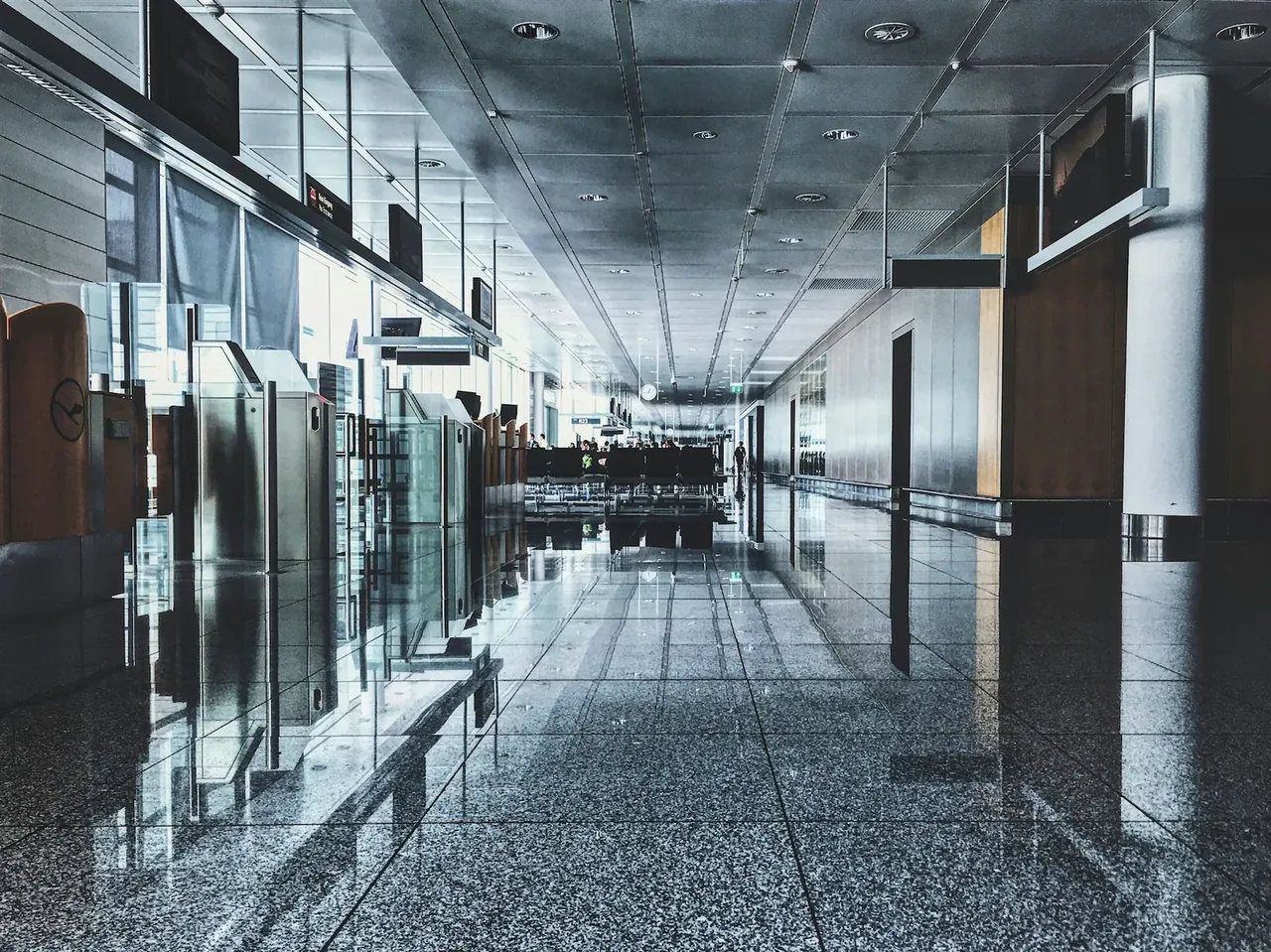
A marble entrance hall that has lost its shine is not dirty, it is worn: traffic has scratched the surface, acidic products have attacked it, and the stone now absorbs light instead of reflecting it. Crystallisation is the technique that gives it back its gloss and its hardness, through a chemical reaction between a crystallising product and the calcium carbonate in the stone. This article explains what crystallisation is, which floors it suits and on which it is useless or harmful, how it is done step by step, how often, what daily maintenance makes it last, which mistakes ruin it and what precautions it calls for. The method sheet can be downloaded as a PDF. For resilient floors, vinyl and linoleum, the equivalent technique is sealing with polish. The buffing that maintains a crystallised floor is covered in our buffing and spray buffing method sheet.
What crystallisation is, chemically
Marble, travertin and limestone are made of calcium carbonate. A crystallising product contains fluosilicates (of magnesium or zinc) in an acid solution; rubbed into the stone with a single-disc machine and a steel wool pad, it reacts with the calcium carbonate to form a surface layer of calcium fluoride and silicate, harder and denser than the original stone, which reflects light. The heat of the friction speeds up the reaction and dries the product; the shine appears under the pad within a few passes. It is neither a wax nor a varnish: nothing is deposited, the stone itself is transformed to a depth of a few microns, which is why crystallisation stands up to traffic far better than any film-forming protection.
The reaction only occurs with calcium carbonate. Granite, quartz, slate, ceramic tile and porcelain stoneware contain none: a crystalliser produces nothing on them except marks. Those floors are buffed with a high-speed burnisher or ground with abrasive stones, which is another trade altogether. Before ordering a crystallisation, check what the stone actually is, if necessary with a drop of diluted acid on an offcut or in a corner: limestone fizzes, granite does not react.
When to do it: the signs and the frequency
A calcareous floor needs crystallising when it has lost its shine evenly, when matt patches appear on the main traffic routes (entrance, lifts, reception desk), when fine scratches scatter the light, or when acid spills (coffee, fruit juice, cleaning products) have etched matt rings into the surface. A floor with deep scratches, chips or hollowed joints needs grinding first, not simply crystallising.
The frequency depends on traffic and on daily maintenance: every three to six months in a busy headquarters, shopping centre or hotel lobby, once or twice a year in an office corridor or a residential entrance hall, with local touch-ups on the traffic routes between two full treatments. Proper daily maintenance (damp sweeping, neutral mopping, no acidic or strongly alkaline product) doubles the interval; the wrong maintenance halves it.
The method step by step
- 1. Survey. Identify the stone (acid test in a corner), the condition of the surface (scratches, stains, joints), the original finish (polished, honed, brushed: only a polished or honed finish can be crystallised), and any wax or film that has to be removed.
- 2. Prepare the area. Site closed or the area cordoned off, furniture removed, skirting and furniture legs protected, ventilation running, protective equipment in place (nitrile gloves, goggles, slip-resistant footwear).
- 3. Clean and strip. Damp sweep, then scrub with the single-disc machine using a mild stripper compatible with stone (never acidic), rinse thoroughly, pick up the water and let the floor dry completely. Crystallisation on a soiled or damp floor fails.
- 4. Crystallise section by section. Spray the crystalliser over 2 to 4 m², then work the single-disc machine (150 to 200 rpm) fitted with a fine steel wool pad in overlapping passes in both directions until the product dries and the shine appears, usually two to four minutes. Move on to the adjoining section, overlapping the previous one.
- 5. Remove the dust. The steel wool and the reaction leave a fine powder: vacuum carefully, then damp sweep, otherwise the powder scratches and dulls the surface.
- 6. Buff. High-speed burnisher with a white or beige pad to even out the shine.
- 7. Check. An even mirror shine, no white bloom and no swirl marks, a floor that is dry and not slippery. A white bloom points to overdosing or to dust that was not removed properly.
The daily maintenance that makes it last
A crystallisation is preserved by what you do not do. Crystallised marble is never mopped with an acidic product (limescale remover, vinegar, washroom cleaner) or with a strongly alkaline detergent (degreaser, stripper): both attack the crystallised layer and the stone underneath. No wax, no sealer: films wear into marks and hide the stone. No flooding: standing water soaks into the joints and leaves rings. Daily maintenance comes down to three things: damp sweeping to take out the abrasive dust, flat mopping or scrubbing with a low water flow using a neutral stone detergent, and effective entrance matting to hold back grit and water. Between two full treatments, monthly buffing with a high-speed burnisher and a local maintenance crystallisation on the traffic routes extend the result. The table of techniques by floor covering is in our guide to floor cleaning techniques.
The mistakes that ruin a crystallisation, and safety
- Crystallising granite or porcelain stoneware. No reaction, wasted product and marks on the floor; those surfaces are buffed instead.
- Crystallising a floor that is dirty or damp. The product reacts with the soil, not with the stone; clean, strip gently and dry completely first.
- Overdosing the product. White bloom, swirl marks, a slippery surface; the product is sprayed on as a fine film.
- Skipping the dust removal. Steel wool powder scratches and dulls; vacuum carefully before buffing.
- Mopping afterwards with an acidic or alkaline product. The crystallised layer disappears within weeks; use a neutral stone detergent only.
- Neglecting safety. The crystalliser is acidic and contains fluosilicates, which are corrosive: nitrile gloves, goggles, ventilation, safety data sheet on hand, never mixed with a chlorine-based product, and used steel wool disposed of in a closed container.
- Leaving crystallisation to an untrained operative. This is a specialist technique: the dosage, the speed and the rubbing time are learned on site.
Who should do it, and how to check the result
Crystallisation is work for an operative trained in deep floor restoration, usually a specialist crew from the cleaning contractor or a subcontractor, with a suitable single-disc machine and a product compatible with the stone. It is scheduled with the site closed, over half a day to a full day per 200 to 400 m², and it belongs in the periodic operations calendar of the cleaning plan. Checking is done by eye, against the light and under the hall lighting: even shine, no bloom and no swirl marks, no slipperiness; a pendulum slip test reassures those who manage buildings open to the public. On a site we maintain, stone halls are mopped daily with a neutral stone detergent, often with an autonomous floor scrubber set to a low water flow, which preserves the crystallisation longer than irregular manual mopping; our approach to cleaning head offices covers floors of this kind.
The crystallisation method sheet (PDF)
Free to use, no registration. A single page to pin up: the floors it suits and those it does not, the method in seven steps, the equipment, the frequencies, the maintenance that makes it last, and safety. Download (PDF, in French) → All our templates are gathered on the cleaning templates page.
Frequently asked questions
What is crystallisation of a marble floor?
Can a granite floor be crystallised?
How often does marble need crystallising?
Which product should be used daily on crystallised marble?
Does crystallisation make the floor slippery?
Can crystallisation be done in house?
A question about your site?
Write to us and we will reply within one working day. If you want to go further, the demonstration takes place on your own floors, free of charge.